Wool is one of the oldest fibers used by man, a fiber that over time evolved into a sophisticated textile used in highest of fashion. Originally, this durable, flame retardant, warm for cold weather, cool for warm weather filament was fashioned into garments, mattresses, bedding and other protective gear that would allow him to survive harsh climates whether cool or warm. For example, the Scottish used the wool sheared from sheep to make heavy sweaters and other layering woolens to keep them warm in the harsh coldness. The Mongolian Sherpas used the wool from yaks, sheep and goats for Parkas that protected them from subzero temperatures and the Tuaregs of the sub-Saharan used the wool of camels known as camel hair and fashioned it into long airy tunics that protected their skin from the sweltering heat, but allowed their bodies to breath and the American Indians used the wool from both goats and sheep to make their highly coveted “Indian Print Wool Blankets”
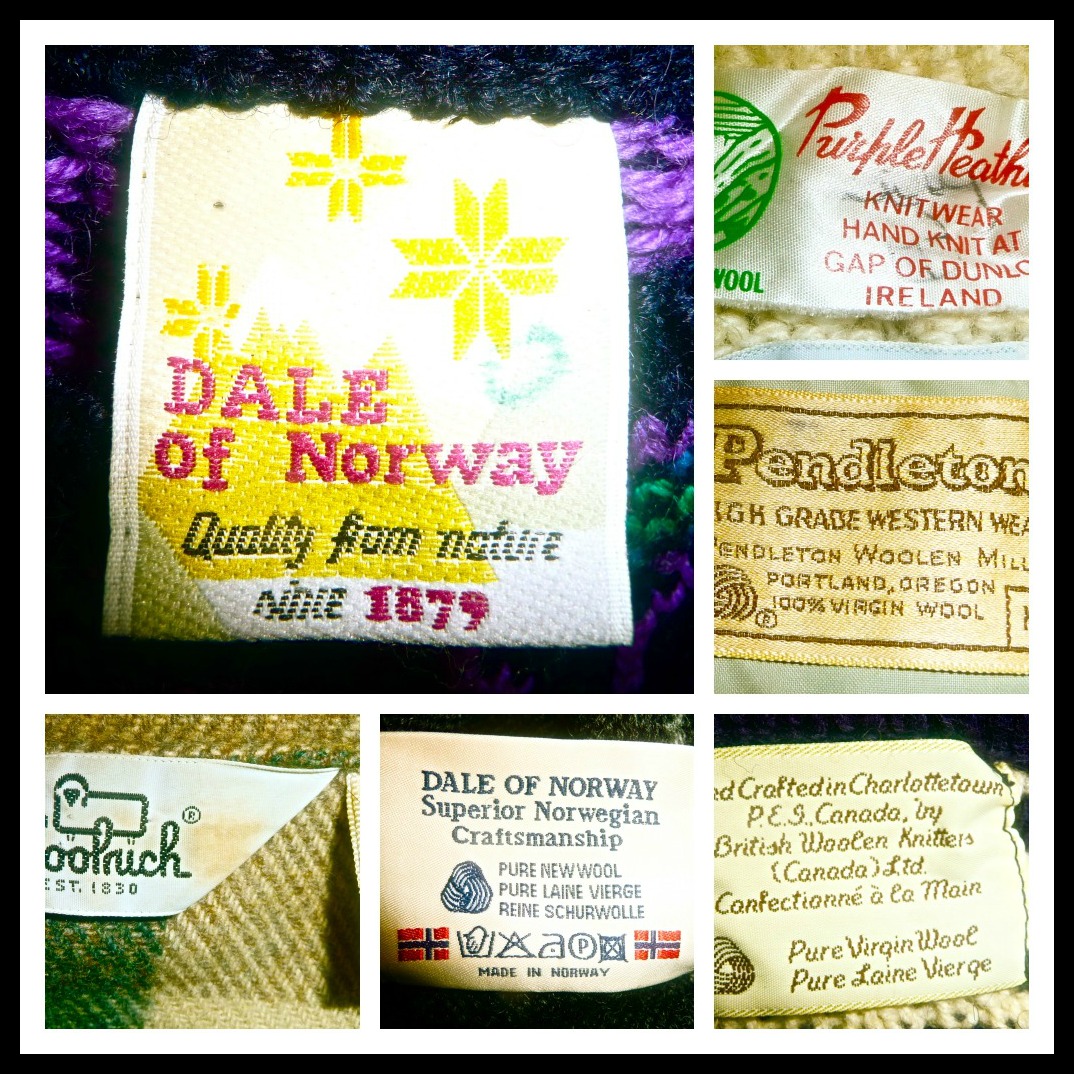
‘Today, Scottish wool sweaters are some of the most collectible, particularly the vintage varieties such as those from Dale of Norway. Additionally, any woolens made by American Indians are some of the most coveted items for anyone who appreciates history and quality craftsmanship. Not to mention, some of the most respected designers like Balmain, Givenchy, Louis Vuitton, Gucci import the cashmere, the “wool” from goats from as far away as Katmandu to fashion some of the most expensive woolens available on the market. For those interested in green efforts, many companies are partnering with women from Peru and other neighboring South American countries who raise alpaca to make wool garments from alpacas.
For the record, take notes: your basic wool is sheared from sheep; that fuzzy wool often seen in an array of colors is mohair and is obtained from goats; that strong heavy, but soft fiber that, typically, is seen, only, in natural/neutral and hand dyed colors like beige, tumeric, tea brown is yak, that heavy, but very soft to the touch wool that comes in an array of colors, typically your deepest and most vibrant sorts, maybe your alpaca or vicuna, both from the alpaca; and those vintage blazers and coats that you always see in that rich caramel or butterscotch and are heavy maybe made from a blend of camel hair from camels and the most expensive of wool fibers, cashmere from the mountain goat. So the next time you decide to purchase a sweater, blazer or coat, check the label and be mindful of the fabric contents so you can make sure you are making a quality purchase.
–
 Space 137