CARING FOR YOUR WOOL..

Now that you have taken the plunge and purchased some fantastic vintage wool sweaters, a few well constructed Harris tweed suits, a winter season’s worth of warm cashmere scarves and hats and that sleek vintage pure cashmere overcoat, you need to know how to care for them and the steps for preventing the moths from making a buffet of your fabulous vintage finds. Here are ten easy steps to caring for your fine woolens.
WOOL SPACE

  • Woolens do not require washing, after each wear, unlike cottons and synthetic fabrics that absorb dirt and odors. Be willing to use febreeze to refresh your woolens and/or  spot clean them where necessary giving attention to necklines, hemlines, armpits where stains and/or odors are likely to accumulate. Spot clean your wool garment with warm water and woolite and allow to air-dry flat. Be careful ONLY to pat clean your garment, particularly if it is sweater so as to keep your garment from losing shape and the fibers from matting or felting.
  • If spot cleaning your garment is not sufficient, prepare a cold-water wash with woolite or a very gentle heavily diluted soap. A natural castile soap is best, but make sure to dilute it. You do not want to scrub or agitate your wool and adding soap to the fiber will increase the likelihood of it felting so make sure to saturate the garment in plenty of cold water.
  • Do not rub the wool against itself; friction, soap and heat are wool enemies causing the fibers to felt. Just simply soaking and rinsing over and over again, works wonders on woolen.
  • Lay your garment flat and allow it to air dry to its original shape.
  • If you purchase vintage woolens, be sure to dry-clean them before storing them with your other woolens. You want to be careful not to infest your clothes. Dry-cleaning your new purchases will kill the eggs that may be present in your newly purchased garments. While, dry cleaning is not the best option, it is one of the fastest ways to kill moth larvae and prevent an infestation.
  • Set up sticky traps in all of your closets containing your wool garment.
  • Moths are attracted to dirt, so vacuum your closet regularly and make sure to, even, wipe down closet walls with cedar oil, thyme oil or Willert Cedar Moth Spray.  Discard, the vacuum bag immediately and towels used for cleaning the closet. Be sure to tie them in a tightly sealed plastic bag before discarding. You may purchase a hand held vacuum just for your wool clothing. Clean your garments by hand and allow them to air dry. After they are thoroughly dry  than  dry vac them. When you are finished, make sure to clean your hand vac thoroughly .
  • When possible, store your woolens in pre-treated airtight containers to prevent moth infestation.
  • Clean your woolens before storing them away during the warmer seasons.
  • For added protection, remove cleaned woolens during the hottest day of the season and allow them to soak up the sun than place them back into treated air tight bags or containers. Moth larvae cannot withstand heat.

These few tips will  help your vintage finds last another life time!!!!

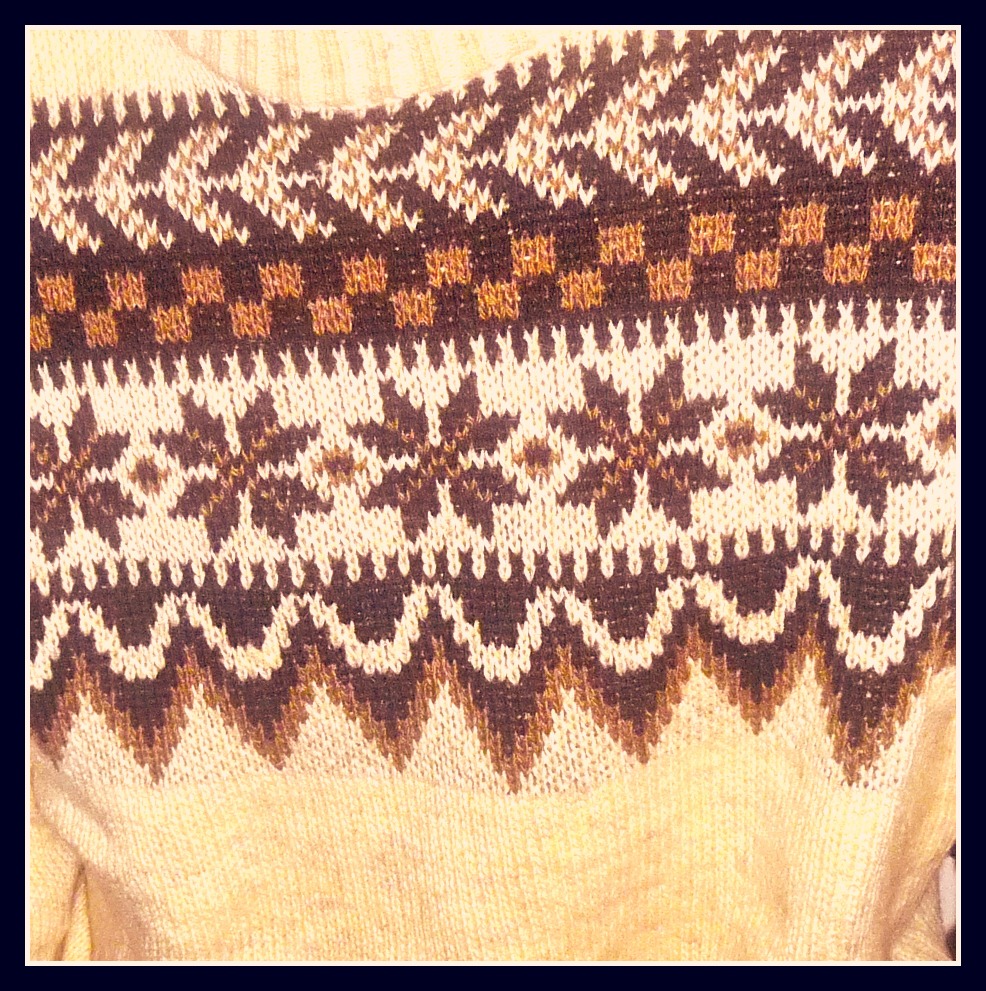
Vintage Ski Wear… a subtle exclamation!

pattern SPACE

We love spending time on the slopes, and as expected we love accessorizing for the slopes.  Ski wear offers the feeling of the perfect blend of ” high-tech meets fashion” when you wear it and that’s what makes this such a no brainer for an everyday fashion option.  Advancements in ski wear technology over the years, like in everything else, make the old stuff totally obsolete, to the point where you wonder how it was ever even functional.  But, if you want to make that subtle statement that speaks volume, go for the vintage jackets and sweaters.  You can’t beat the charm of the childish, playful color blocking; the fanciful  silhouettes and how you get the amazing combined look of puffy with fitted and contoured.  Hit the slopes with your vintage gear or get geared up for one of these trendy Vintage Ski Theme Parties for which we keep receiving invites…

Winter Wool…

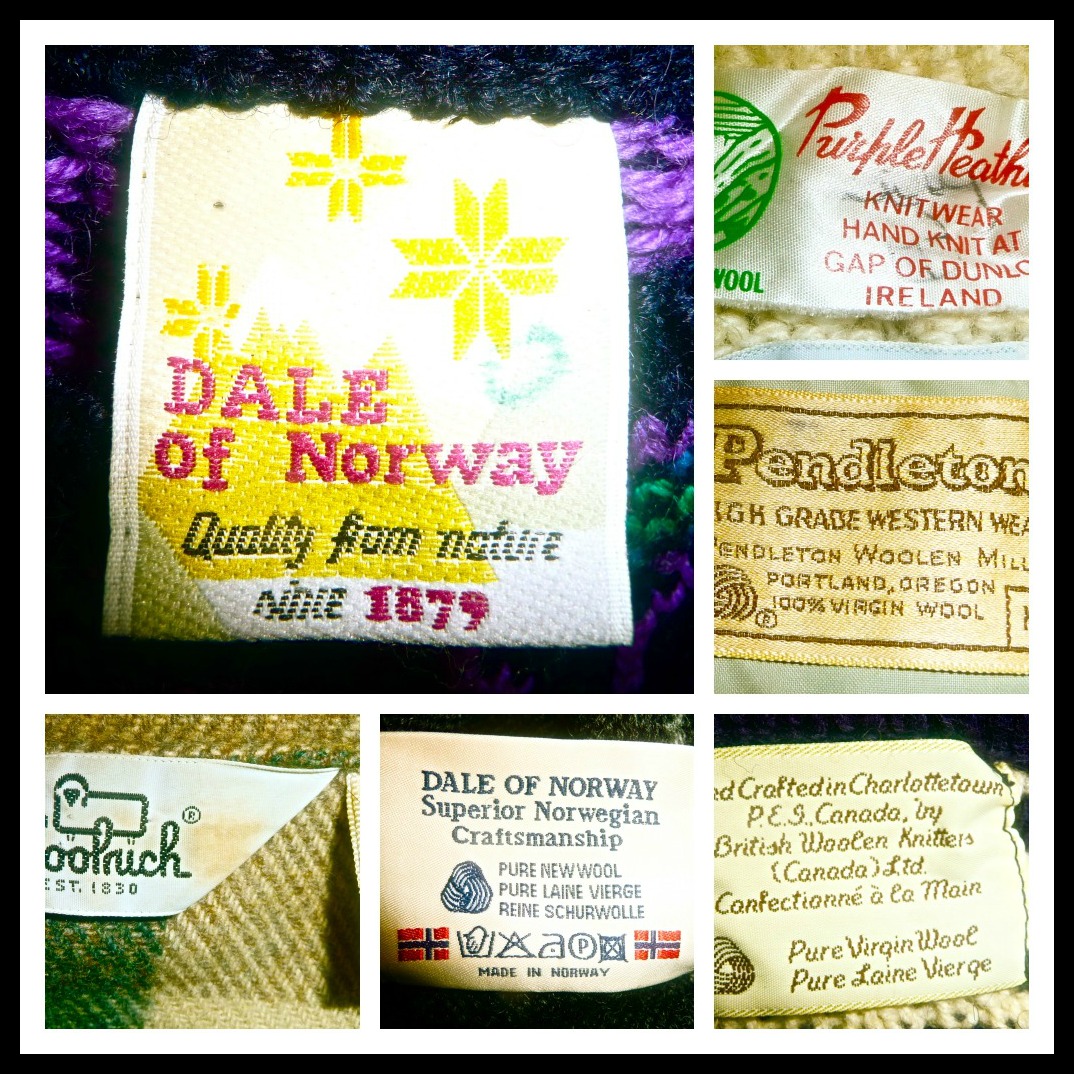
Label Collage SPACE

Wool is one of the oldest fibers used by man, a fiber that over time evolved into a sophisticated textile used in highest of fashion.  Originally, this durable, flame retardant, warm for cold weather, cool for warm weather filament was fashioned into garments, mattresses, bedding and other protective gear that would allow him to survive harsh climates whether cool or warm. For example, the Scottish used the wool sheared from sheep to make heavy sweaters and other layering woolens to keep them warm in the harsh coldness. The Mongolian Sherpas used the wool from yaks, sheep and goats for Parkas that protected them from subzero temperatures and the Tuaregs  of the sub-Saharan used the wool of camels known as camel hair and fashioned it into long airy tunics that protected their skin from the sweltering heat, but allowed their bodies to breath and the American Indians used the wool from both goats and sheep to make their highly coveted “Indian Print Wool Blankets”

‘Today, Scottish wool sweaters are some of the most collectible, particularly the vintage varieties such as those from Dale of Norway.  Additionally, any woolens made by American Indians are some of the most coveted items for anyone who appreciates history and quality craftsmanship.  Not to mention, some of the most respected designers like Balmain, Givenchy, Louis Vuitton, Gucci import the cashmere, the “wool” from goats from as far away as Katmandu to fashion some of the most expensive woolens available on the market. For those interested in green efforts, many companies are partnering with women from Peru and other neighboring South American countries who raise alpaca to make wool garments from alpacas.

For the record, take notes: your basic wool is sheared from sheep; that fuzzy wool often seen in an array of colors is mohair and is obtained from goats; that strong heavy, but soft fiber that, typically, is seen, only, in natural/neutral and hand dyed colors like beige, tumeric, tea brown is yak, that heavy, but very soft to the touch wool that comes in an array of colors, typically your deepest and most vibrant sorts, maybe your alpaca or vicuna, both from the alpaca; and those vintage blazers and coats that you always see in that rich caramel or butterscotch and are heavy maybe made from a blend of  camel hair from camels and the most expensive of wool fibers, cashmere from the mountain goat. So the next time you decide to purchase a sweater, blazer or coat, check the label and be mindful of the fabric contents so you can make sure you are making a quality purchase.